Entry · Ref KMUAA5XI
Why You Should Act Fast When Searching for Mold Removal Near Me
- Posted
- 2026-10-12
- Last amended
- 2026-10-12
- Account
- @moldremovalmenews
You might notice a musty smell in the basement, or see a patch of dark staining on the ceiling near the bathroom. That is when most homeowners start typing "mold removal near me" into a search bar. I have seen too many people wait, thinking a little bleach will fix it. By the time they call a professional, the problem has moved out of sight and into the wall cavities. Acting fast is not just about peace of mind. It is about protecting your home and your lungs.
What Makes Mold Dangerous
Mold is a living organism, and it spreads through tiny mold spores that float in the air. When you disturb a moldy surface, you send those spores into your breathing zone. Some people get a stuffy nose or itchy eyes. Others, especially those with asthma or other respiratory conditions, can have serious reactions. The black mold you see in a damp corner is often Stachybotrys, a type that produces mycotoxins. It thrives on materials like drywall and wood when they stay wet for more than 48 hours. That is why a fast response is so important.
I have walked into homes where the homeowners had scrubbed visible mold with bleach for weeks. They thought they were winning. But bleach does not kill mold on porous surfaces. It just bleaches the color, making the mold look gone while the roots grow deeper into the material. That is a common mistake that costs people more money in the long run.
Why a DIY Approach Can Fail
Many people start with a mold testing kit from the hardware store. Those kits can tell you that mold is present, but they do not tell you what kind, how deep it goes, or how to safely remove it. The EPA recommends that if the affected area is larger than about 10 square feet, you should call a professional. That is roughly the size of a small rug. For anything bigger, the risk of spreading spores through the whole house is too high.
I have seen people try to clean mold off attic insulation with a rag and some white vinegar. Vinegar works on hard, non-porous surfaces for light surface mold, but it cannot penetrate the insulation fibers. The mold stays inside, and months later it comes back through the drywall. Tea tree oil and hydrogen peroxide are better for small, contained spots on tile or glass, but they are not a solution for a crawl space full of moisture.
Some people think boric acid will help. Boric acid is a good fungicide for certain applications, but it is slow-acting and not meant for large areas. You are better off using methods that the IICRC recommends, which include HEPA vacuuming and antimicrobial treatments. A HEPA vacuum captures spores instead of blowing them around, which is critical during any cleanup.
What Professionals Do Differently
When you search for "mold removal near me," you want someone who understands building science. A good contractor will start by finding the moisture source. Mold needs water, so if you just clean the mold and do not fix the leak, it will come back. That leak might be in your roof, your plumbing, or even just a poorly ventilated bathroom. A bathroom exhaust fan that vents into the attic instead of outside is a common culprit. I have seen that in dozens of homes. The fan pulls moisture into the attic, where it condenses on the roof deck and feeds mold growth.
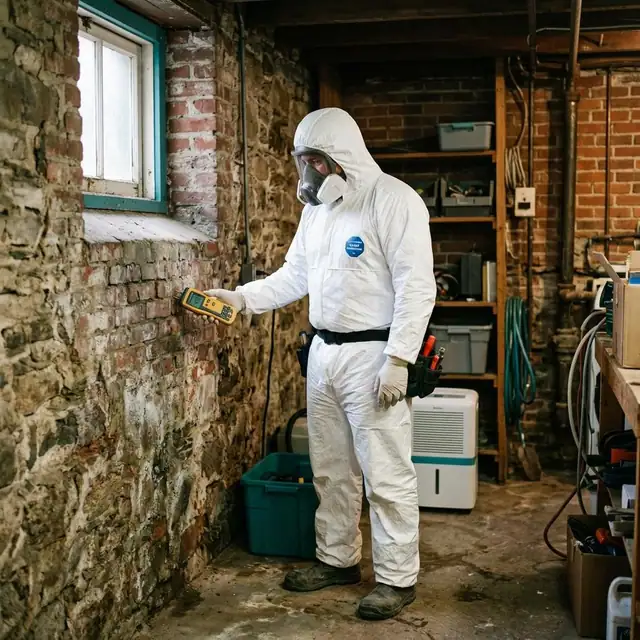
Once the moisture source is fixed, the remediation process involves several steps. The area is contained, often with plastic sheeting, to prevent spores from drifting into other rooms. Then the moldy materials are removed. Soft materials like drywall and insulation usually have to be cut out and replaced. Hard surfaces are scrubbed with antimicrobial agents. Finally, the area is HEPA vacuumed and dried completely.
This is not a job for a weekend warrior, especially if the mold is in a crawl space or behind walls. Crawl spaces are dark, humid, and hard to work in. Professionals have the gear and training to do it safely. They also know how to handle water damage restoration, because mold and water damage often go together.
Prevention Is the Real Cure
The best way to avoid needing emergency "mold removal near me" searches is to prevent mold from growing in the first place. Here are a few practical steps that have saved my clients thousands of dollars:
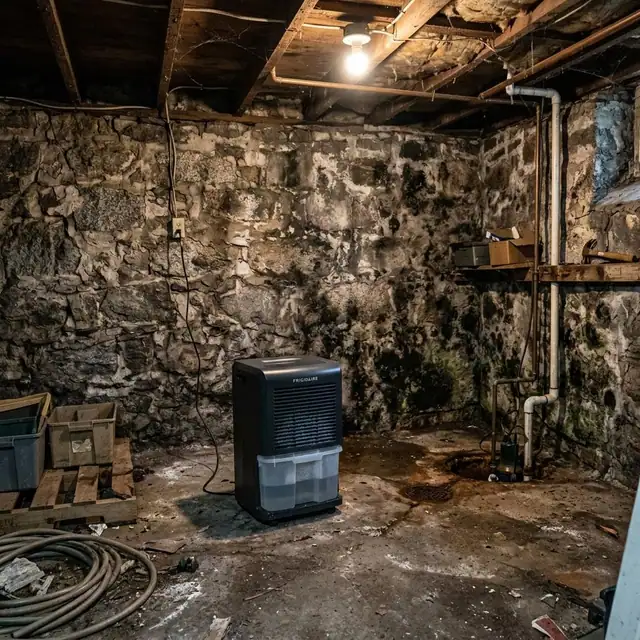
- Keep indoor humidity below 60 percent. A dehumidifier in the basement or crawl space is a good investment, especially in summer.
- Run the bathroom exhaust fan during showers and for at least 30 minutes after. Make sure it vents outside, not into the attic.
- Fix plumbing leaks immediately. A slow drip under the sink can rot the cabinet floor and grow mold inside the wall within a week.
- Check attic insulation for signs of moisture. If the insulation looks damp or has dark spots, call a pro before the mold reaches the drywall below.
- Use mold-resistant products when remodeling. There are mold-resistant drywall and paint, which add a layer of protection.
These steps are simple, but they require consistency. I have seen homeowners leave a dehumidifier in the corner and never empty it. That does not help. You need to stay on top of it, especially in climates with high humidity.
When to Call for Help
If you see visible mold on a hard surface that is smaller than a dinner plate, you can clean it yourself with water and detergent, or with white vinegar if it is not on wood. But if the mold is on drywall, wood, or insulation, or if it covers an area bigger than that, do not risk it. Call a professional who follows EPA guidelines and has IICRC certification. They will do the job right the first time.
Mold testing kits can give you a false sense of security. They might tell you what kind of mold you have, but they do not solve the problem. The real solution is to remove the mold and fix the moisture. A professional will also check for hidden mold, which is common behind walls and under floors after a leak.
I have been in homes where the family thought they had a clean bill of health because they wiped the visible mold off the ceiling with bleach. Behind that ceiling, the crawl space was full of Stachybotrys. The kids had asthma attacks every night. Once we removed the mold and fixed the roof leak, their symptoms improved dramatically. That is the kind of outcome you want.
Final Thoughts
When you start searching for "mold removal near me," you are already in a race against time. Mold spreads fast, and the health risks are real. Do not settle for quick fixes or cheap solutions. Look for someone who understands the science of moisture and mold, and who uses proper equipment like HEPA vacuums and antimicrobial treatments. Your home and your health are worth it.
If you catch the problem early, you can save yourself a lot of money and stress. But even if the mold has been there for a while, it is never too late to call a professional. Just do not wait another week. The longer you wait, the deeper the mold goes, and the harder it is to fix.